
The Nutcracker
The Nutcracker
2017
We all know that Christmas is not Christmas without The Nutcracker; yet Christmas is not only for those who live in the warmth and comfort of affluent society.
Paying homage to one of the most popular ballets of the Russian Romantic repertoire, Balletto di Roma rejects the traditional Christmas party setting in order to focus on the ‘behind the scenes’ values of every child’s favourite day.
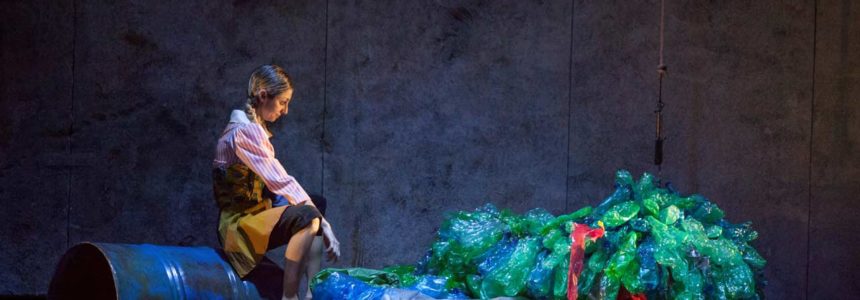
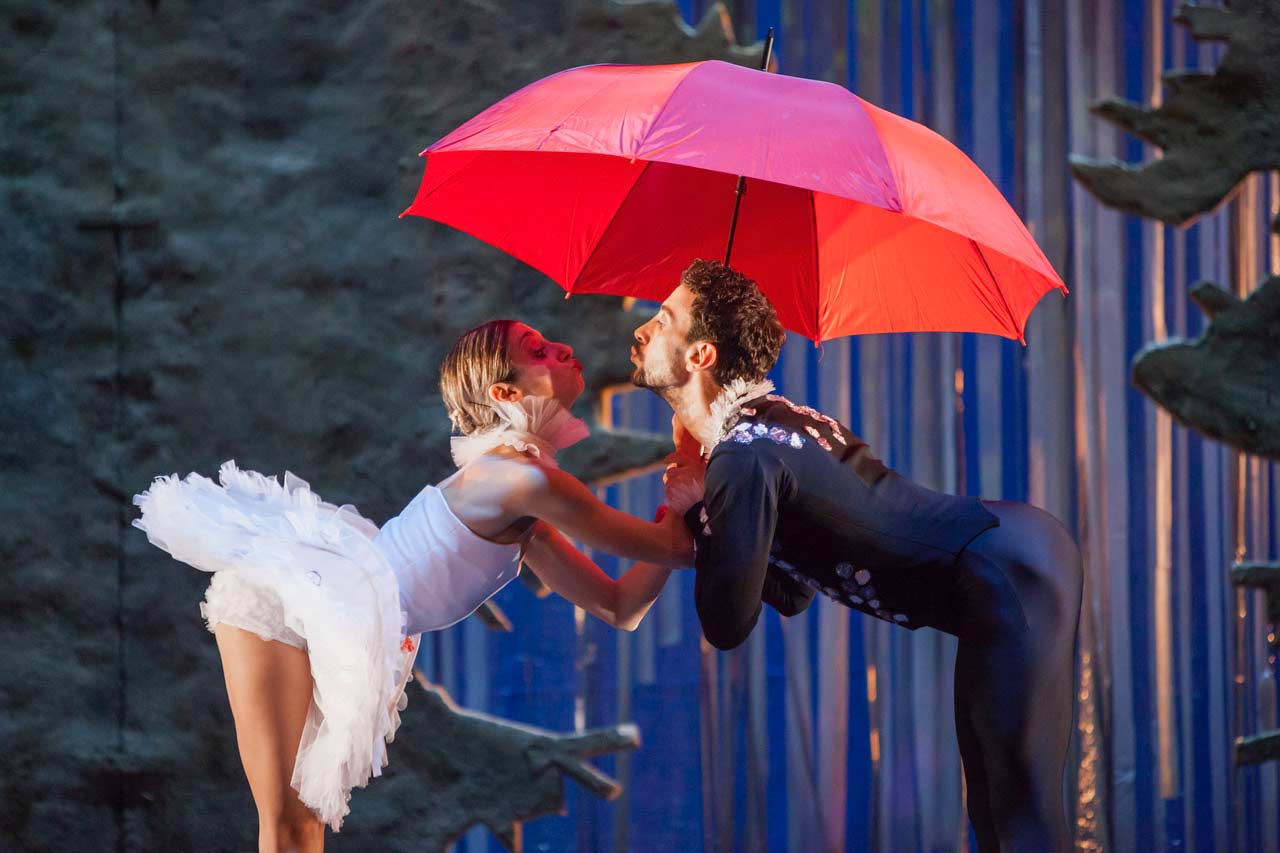
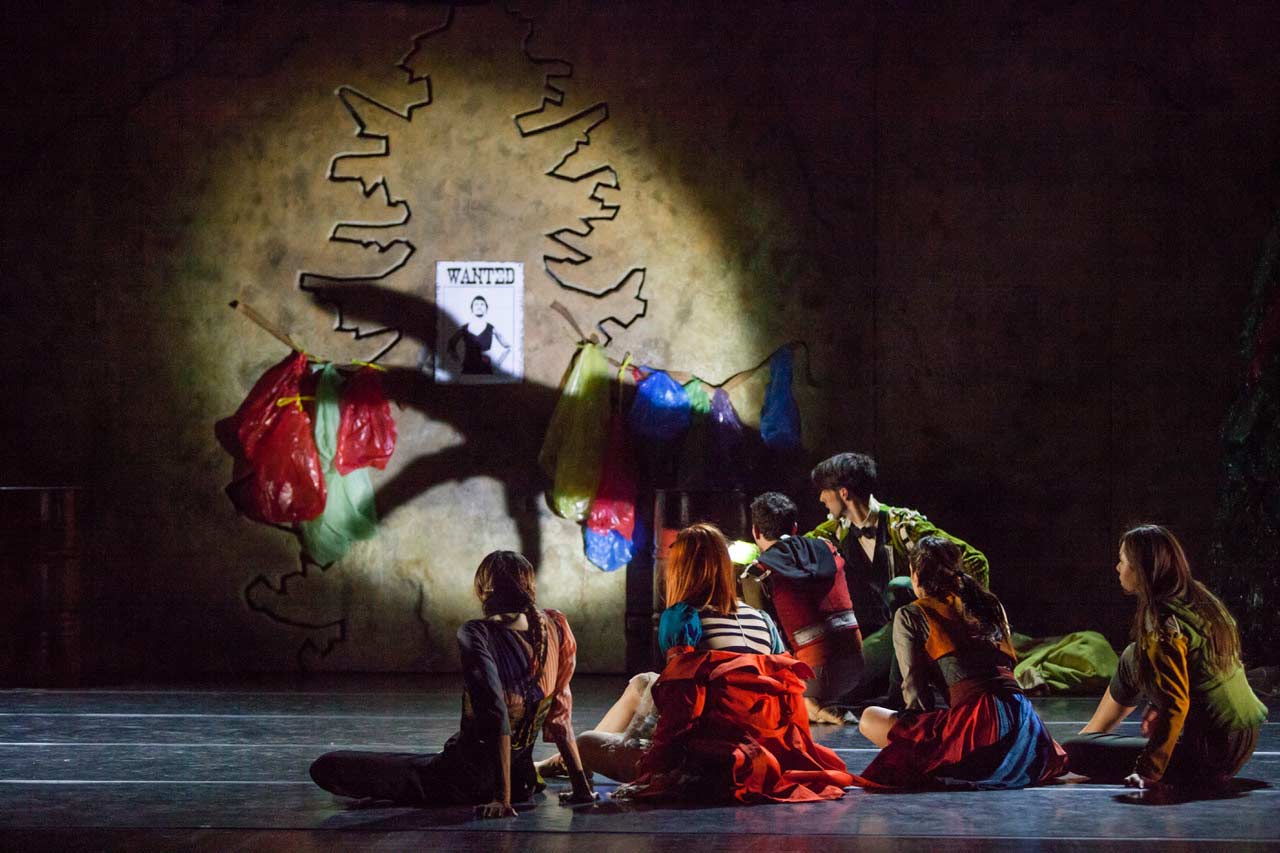
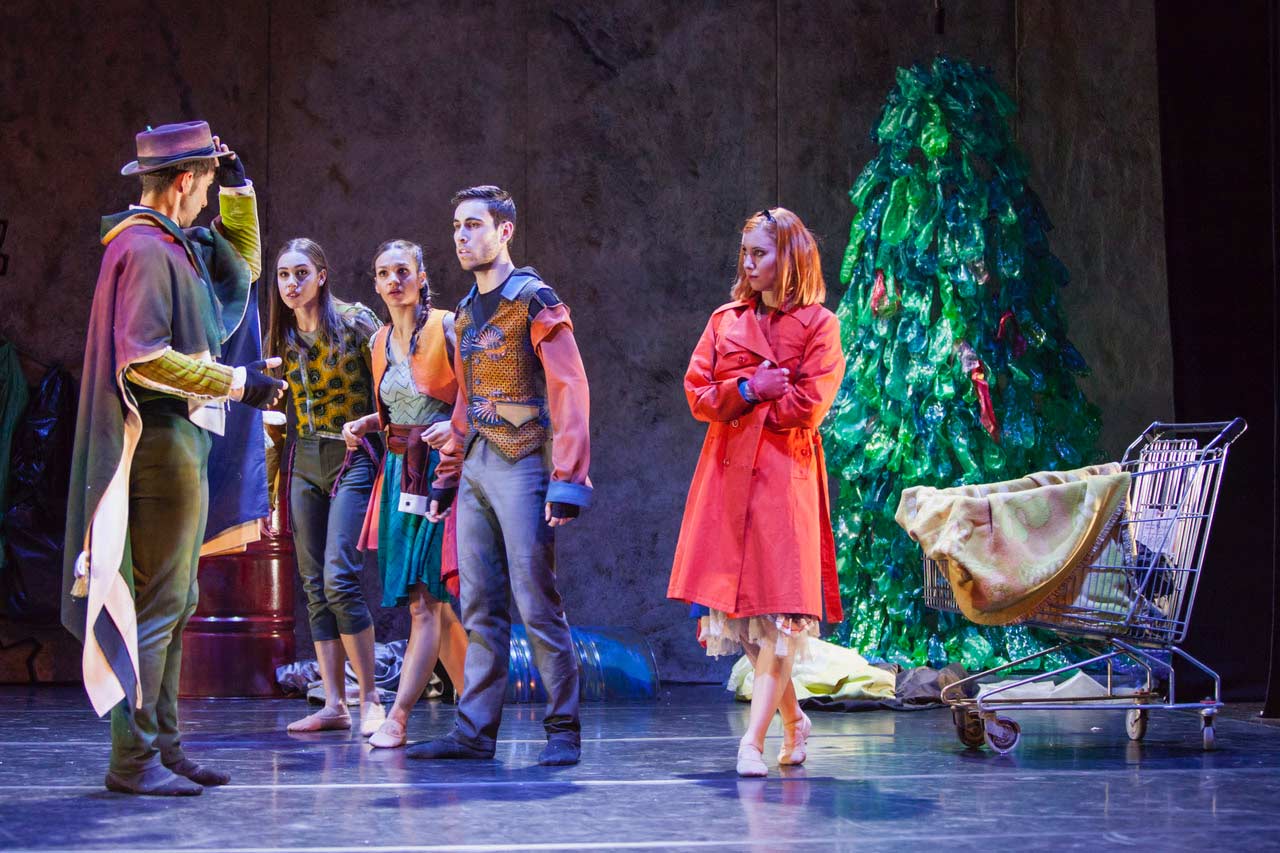
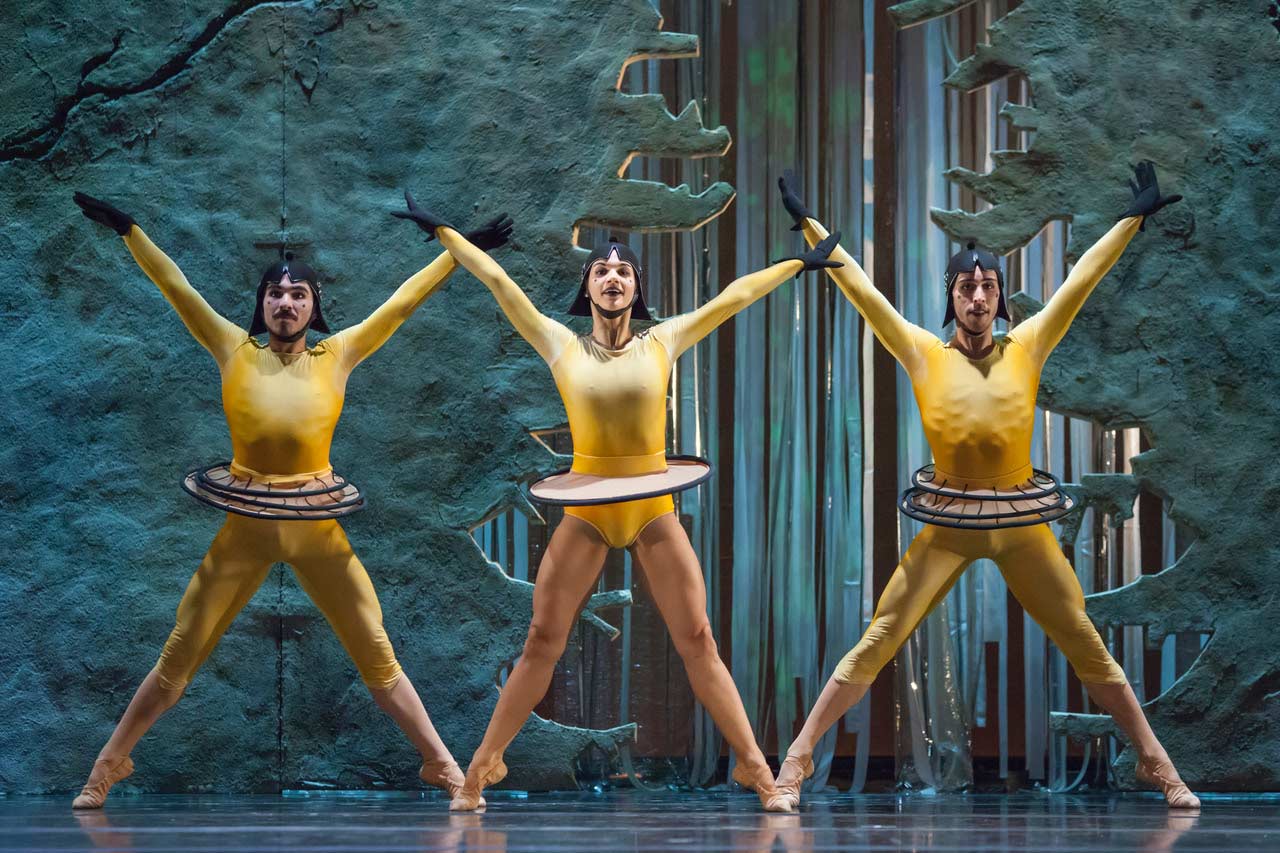
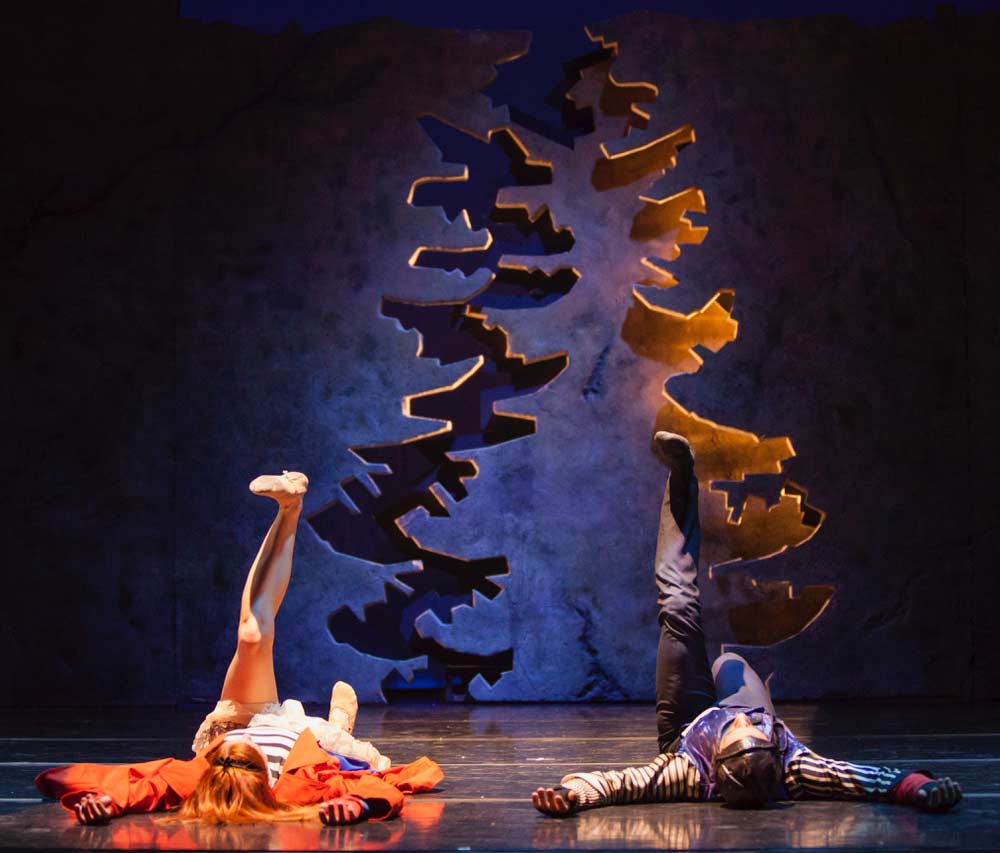
Massimiliano Volpini’s new interpretation replaces the original setting of the first act – Casa Stahlbaum, an opulent mansion beautifully decorated in advance of a Christmas party – with an urban wasteland populated by an invisible community of homeless down and outs, people whose only mission in life is to survive another day.
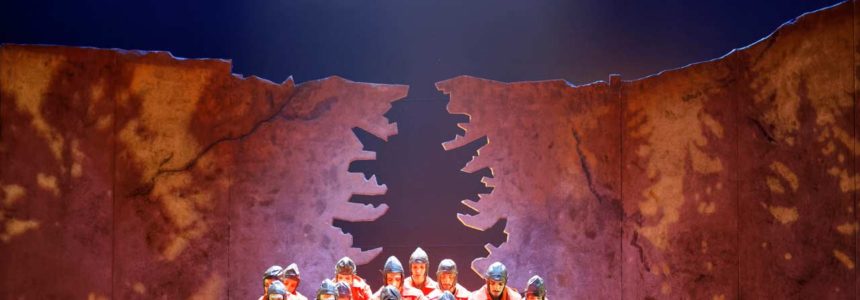
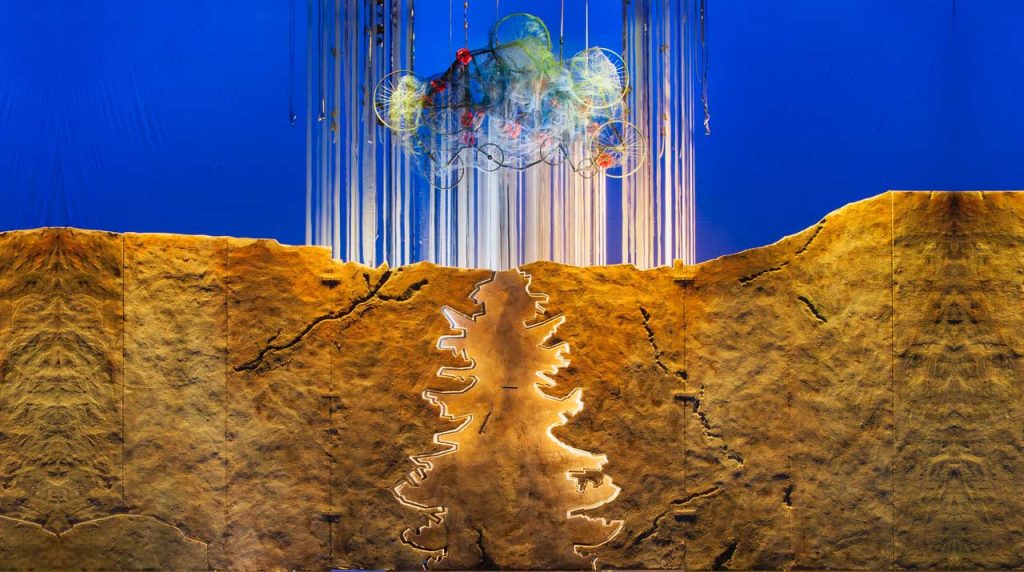
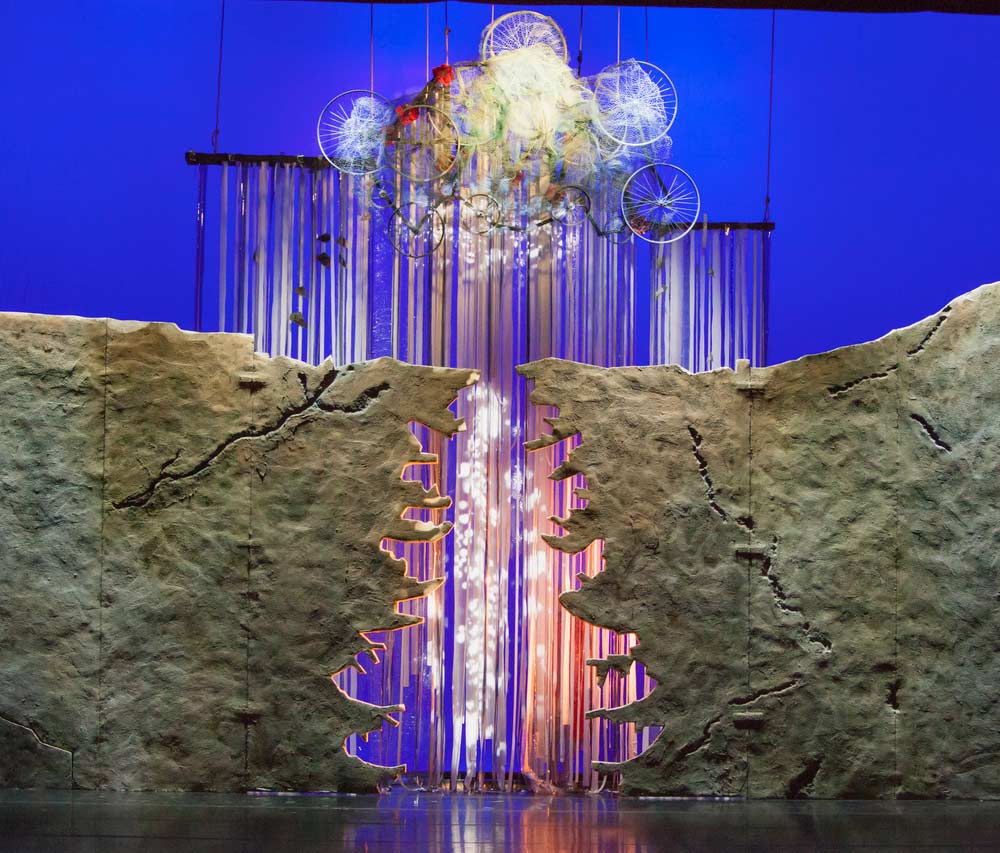
An imposing wall separates the rich and the poor areas of the city, physically and morally enclosing the less fortunate in a hidden corner of the metropolitan sprawl. Yet, the children of this ghetto are driven by a curiosity for life, an eagerness to discover the rest of the universe, that Clara and Fritz, the wealthy youngsters of Alexandre Dumas’ original tale, have never had need to contemplate. The kids from the poverty-stricken suburb do not expect shiny new toys from Father Christmas, but rather see Drosselmeyer, an old and mysterious vagrant, as their local benefactor. The most eagerly received gift is a curious puppet, a symbol of evasion, a figure of someone who has made it in life, overcoming the hurdles of poverty to reach the wonders of the city.
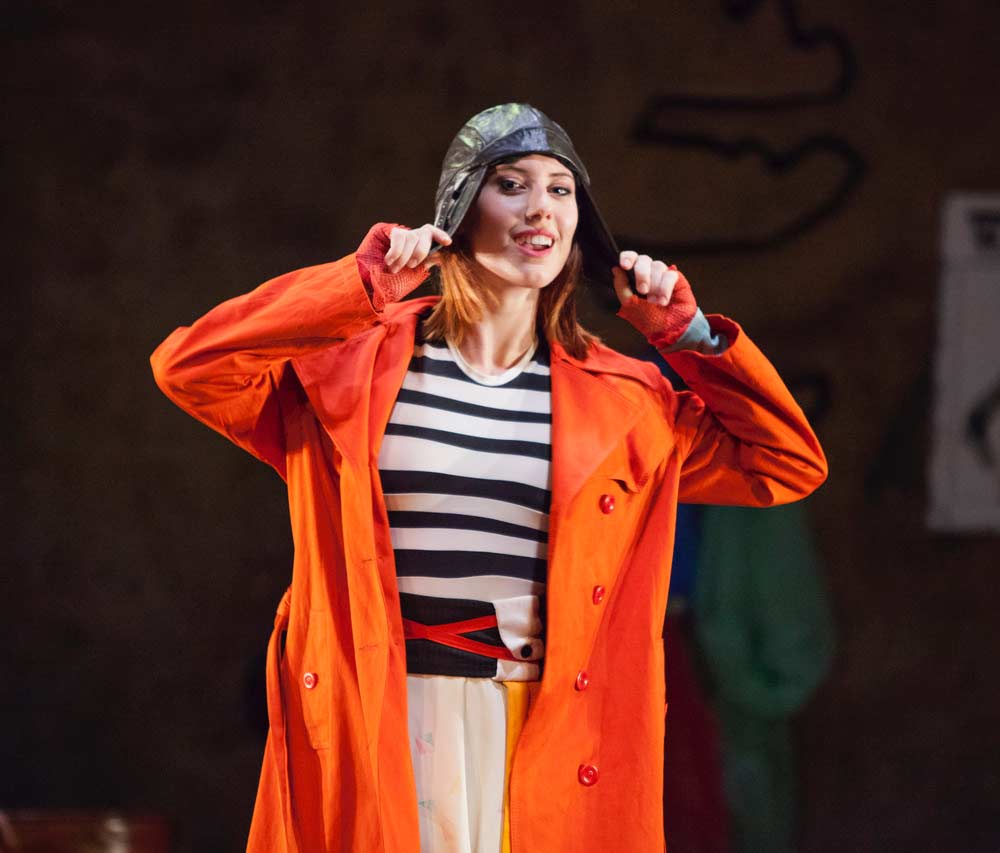
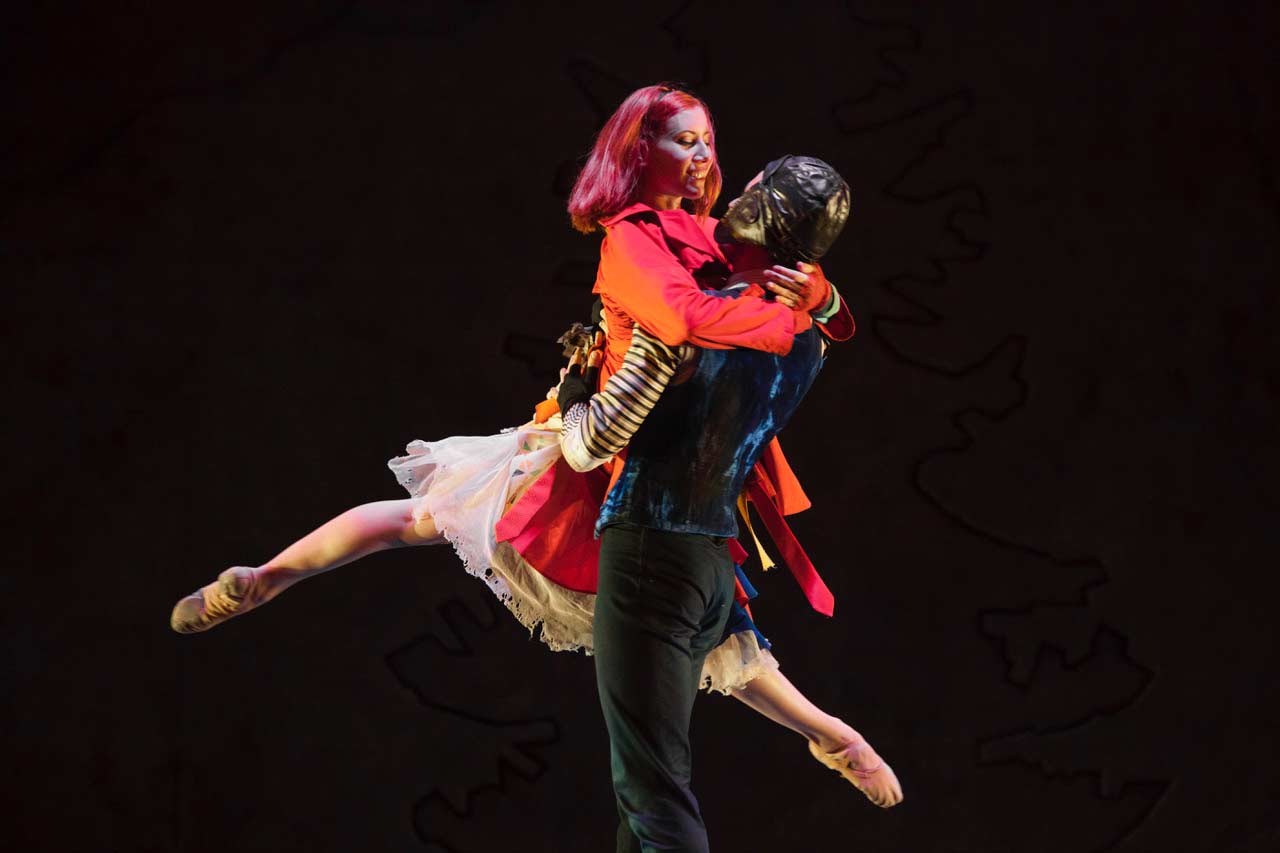
Clara is fascinated by this puppet hero – a modern-day fairy-tale prince – and imagines herself escaping to an enchanted world in which she discovers that she is a feisty young woman of unsuspected courage.
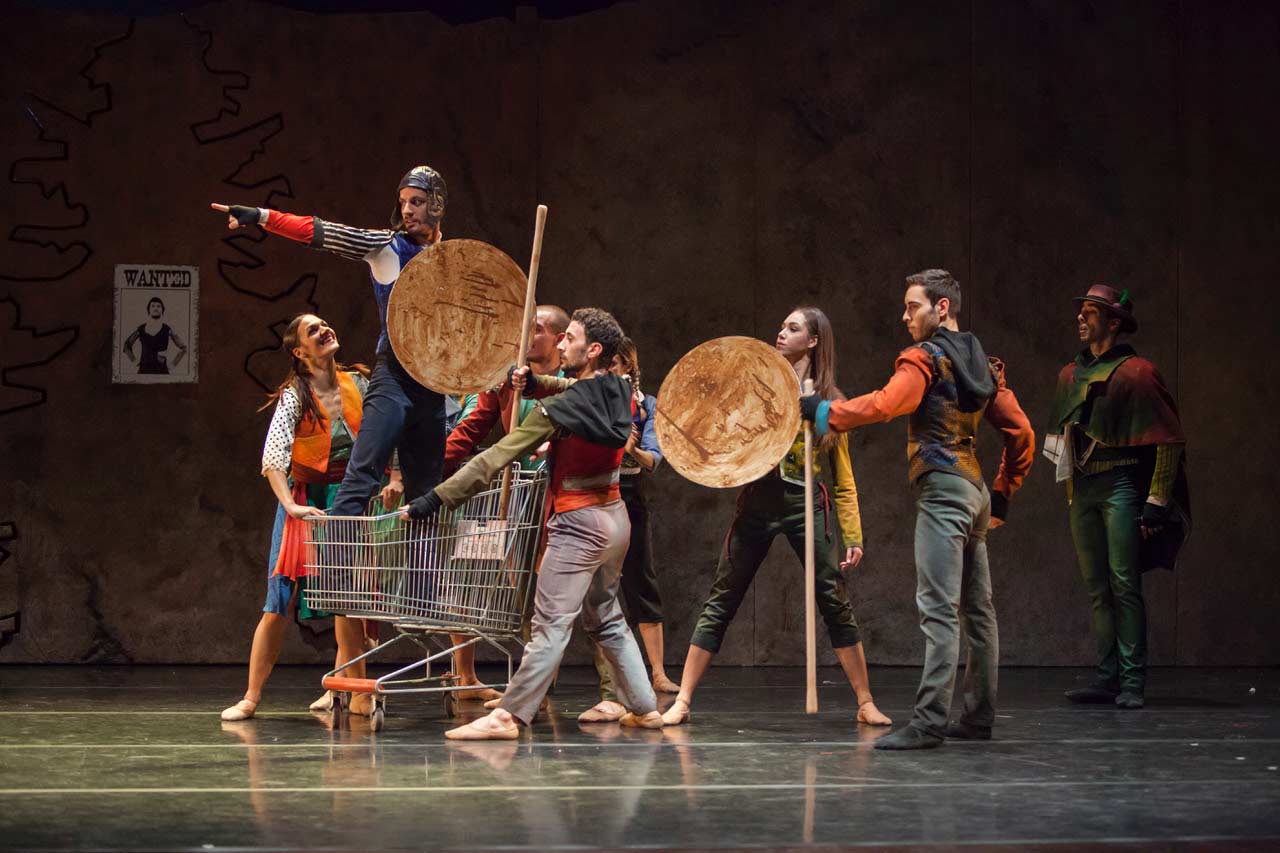
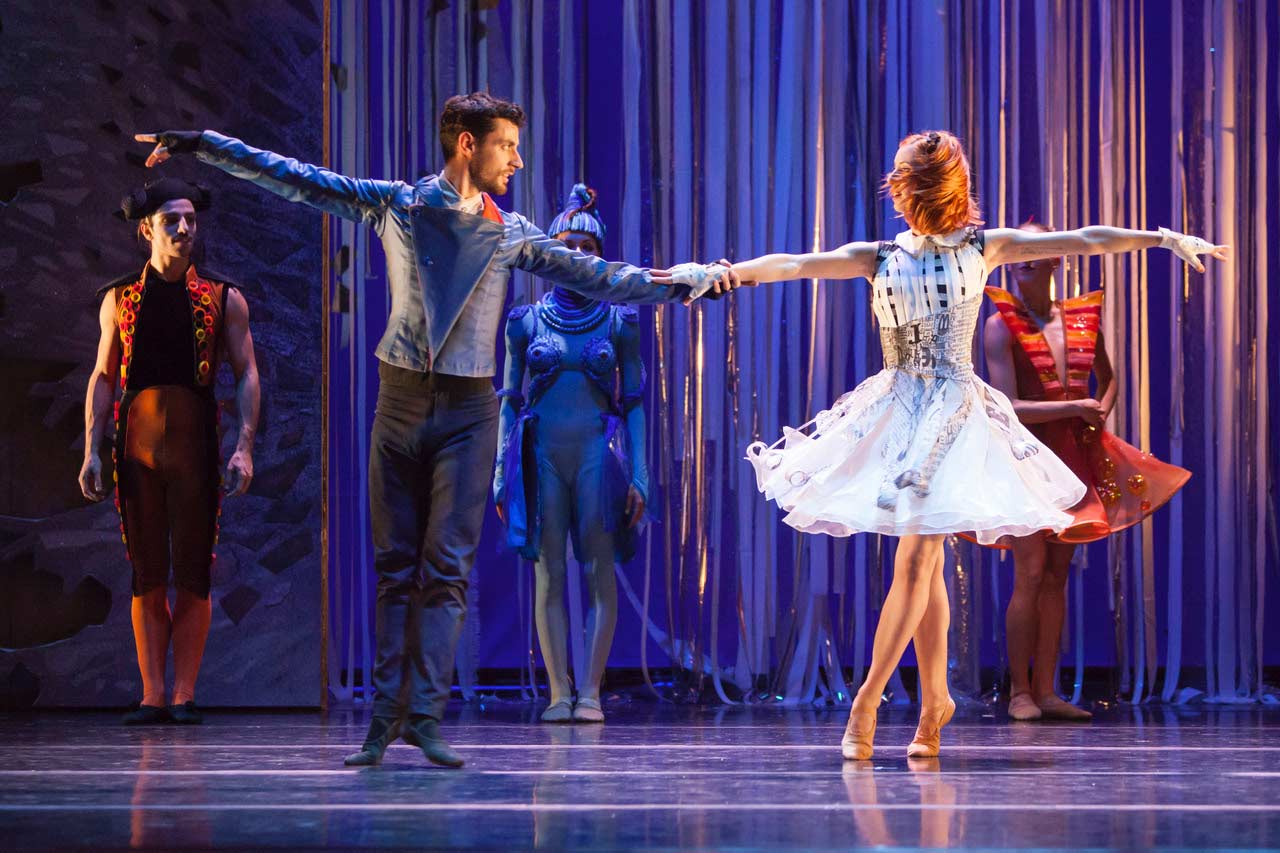
Inspired by the puppet and her dream, Clara attempts to climb over the wall. Despite her efforts not to attract the attention of the vigilantes of the revolutionary forces, a skirmish breaks out – a clear reference to the “Battle of the Mouse King” of the original Nutcracker – and only dies down when Clara escapes with the puppet. Once on the other side of the wall, Clara discovers a brightly coloured world of wonder and magic. Reconnecting once again with the original story, the new choreography presents dances and characters from various parts of the world in a dream-like journey which, even if only momentarily, distracts Clara from the grey nightmare of her life in the shadows.
Set to the music of Pëtr Il’ič Čajkovskij, Massimiliano Volpini’s new version of the original Christmas classic invites its audience to observe the fairytale from a new point of view, using the contrast between reality and the imaginary of Dumas’ story to reveal the implications and consequences of the multifaceted society of today. The audience is invited to look through the young Clara’s eyes as she escapes from a world of cardboard boxes, scuffed bricks and cracked graffiti-covered walls to a timeless land of magic. The result is a lucid yet poetic reflection on the real significance of this repertoire classic, a fresh, modern version of a beloved ballet which is full of both stylistic and dramatic stimuli.
Teatro Vittorio Emanuele, Messina
Teatro Curci, Barletta
Teatro Vittorio Emanuele, Messina
Teatro Vittorio Emanuele, Messina
Teatro Quirino Roma
Teatro Quirino Roma
Teatro Quirino Roma
Lugano Arte e Cultura, Lugano
Teatro Dario Fo, Camponogara
Teatro Romano Pascutto, San Stino di Livenza
Teatro Secci, Terni
Teatro Massimo, Pescara
Teatro Goldoni, Venezia
Teatro Vascello, Roma
Teatro Magnani, Fidenza
Teatro Persiani, Recanati
Teatro Torti, Bevagna
Teatro Verdi, Padova
Teatro Civico, Alghero
Teatro Centrale, Carbonia
Teatro Comunale, San Gavino Monreale
Teatro del Carmine, Tempio Pausania
Teatro Grazia Deledda, Paulilatino
Teatro Bonci, Cesena
Teatro Carcano, Milano
Teatro Carcano, Milano
Choreography
Massimiliano Volpini
Music
Pëtr Il’ič Čajkovskij
Scenes
Erika Carretta
Light designer
Emanuele De Maria