

The Nutcracker M. Piazza
The Nutcracker M. Piazza
2006
The Nutcracker has become, in a relatively short time (it debuted in Italy in 1983) an extremely popular ballet, often used – and abused – as some sort of Christmas ‘present’, a joyful fairy tale that is reserved for children. Actually, if anything, The Nutcracker is somewhat dedicated to the tragedy of childhood, that is the painful and traumatic act of growing up, the difficult abandon of the world of games and safety, the crossing of that thin shadow-line that marks the transition towards the complexities of adolescence. Through the adoption of the pace and the devices of a thriller and their combination with the language of contemporary dance, The Nutcracker – with its monstrous expansion of the domestic dimension, its mini-battles, the underlying violence and horror throughout the narrative – lends itself to become a faithful reflection of the current generation, untimely deprived of its childhood (and therefore of the right to innocence) by the obsessive media, which has by now turned the war and any other act of violence into a “show” to be watched with careless indifference at any time of day… In this new version, where often situations and psychologies are literally reversed, the Nutcracker – a sort of disturbing Drosselmeyer’s alter ego, almost a Mr Hyde – becomes the incarnation of all of young Clara’s nightmares, a sinister character who is capable of murdering her brother Fritz or turning into a macabre Sugar Plum Fairy (a symbol of the deceitful ‘sweetness’ of the truly wicked)…. Moving on from fright to terror, Clara, just like a new Alice in Wonderland, will awaken from the nightmare only when it almost seems no longer possible to escape: she will find again her loved ones, but she will now see them with a different set of eyes; the same eyes of those who – perhaps still confusingly – are beginning to understand that it is necessary to start the detachment from the loved ones to and learn how to make do. The events are narrated according to the rules and the “tricks” of the new high-tech games: the dream crumbles and becomes a nightmarish video game that swallows and imprisons the main character by eliminating any boundaries between what is real and what is simulated, where the toys are not the ones who come to life anymore, but it is the player himself/herself that is horribly transformed into a trivial pawn… Any possible redemption will have to be found according to such rules, but, at the same time (by being reminded that this is a fairy tale and thus has to be considered) with the same means that are always available to the human kind, such as self-confidence and self-trust, the only true ‘weapons’ to deal with the hard and thorny path towards adulthood and the pursuit of one’s own portion of happiness. Riccardo Reim.
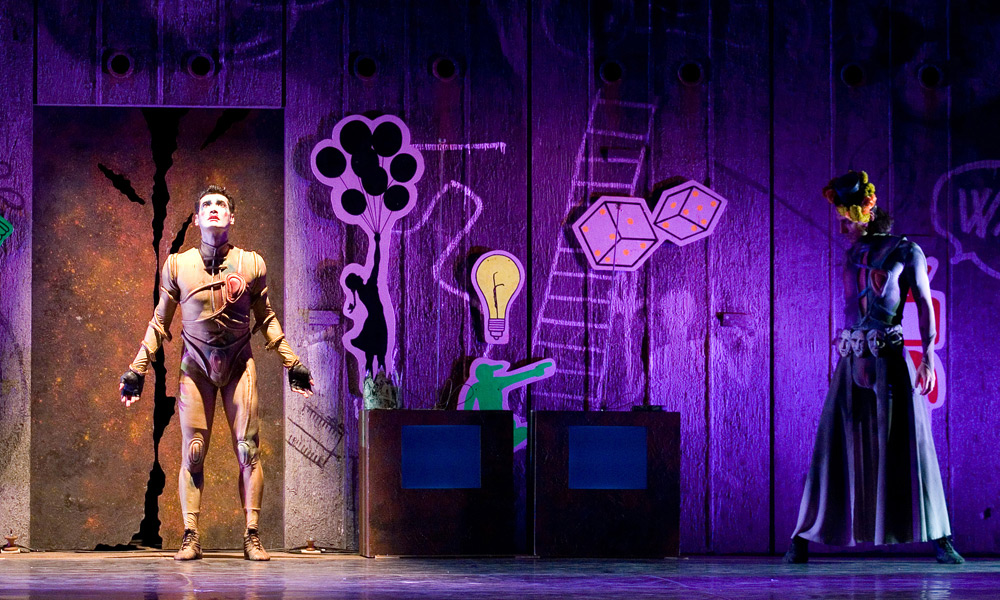
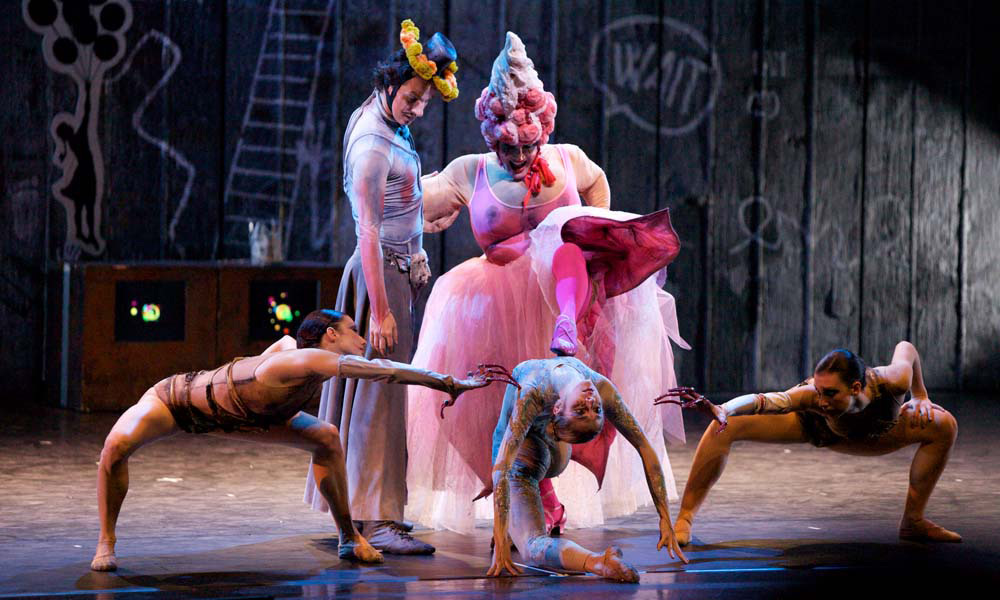
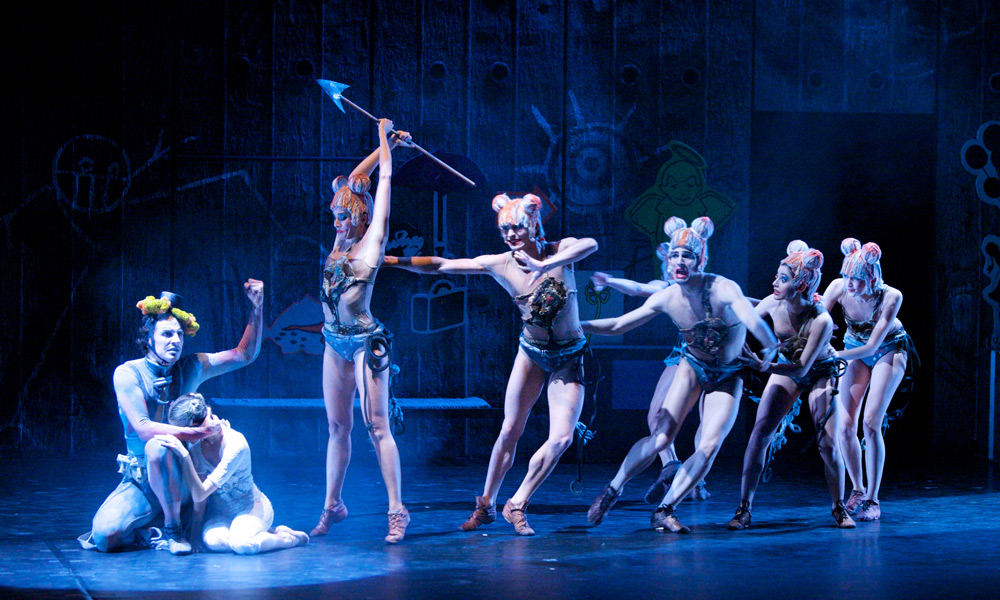
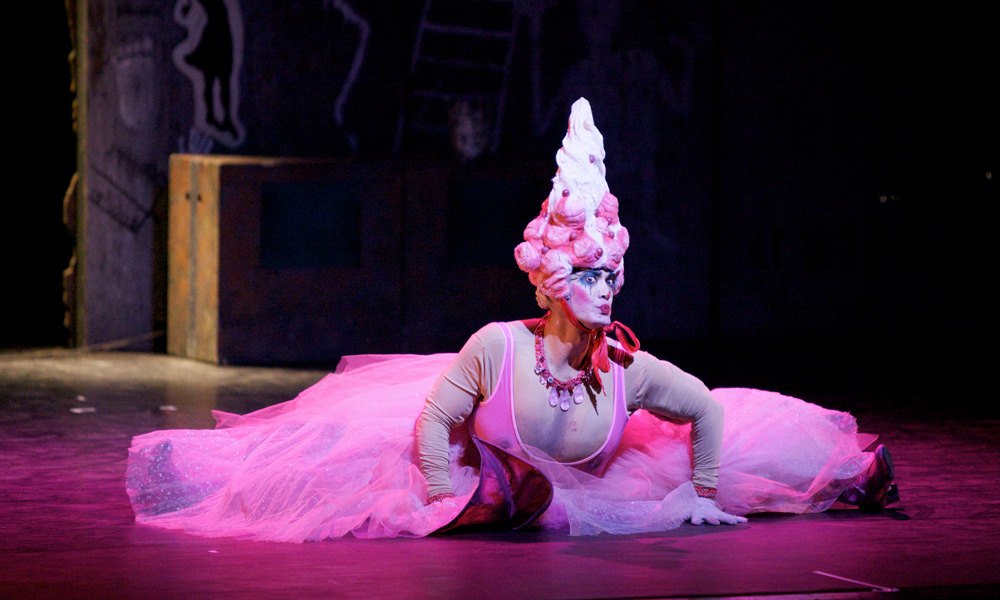
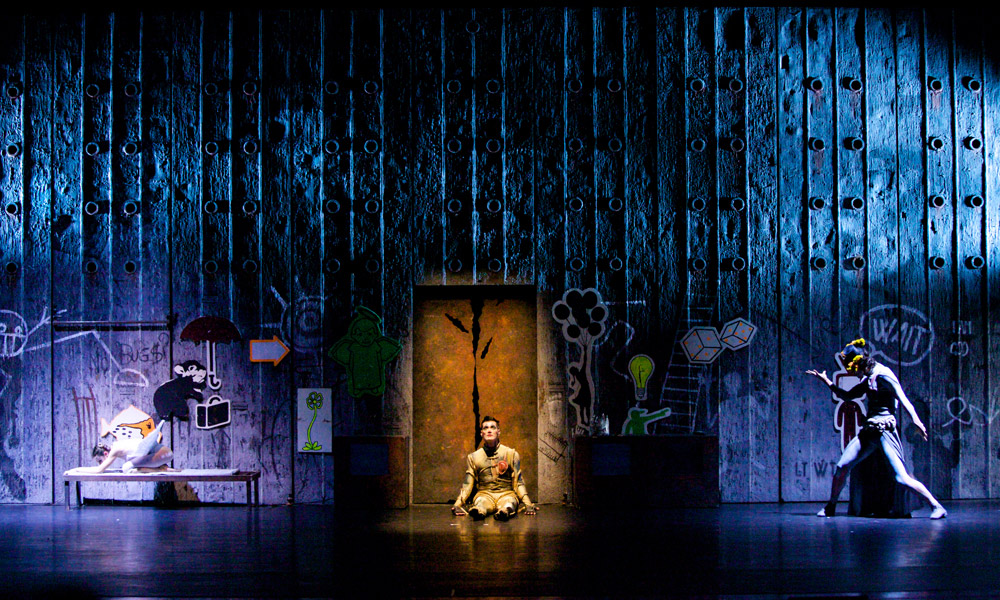
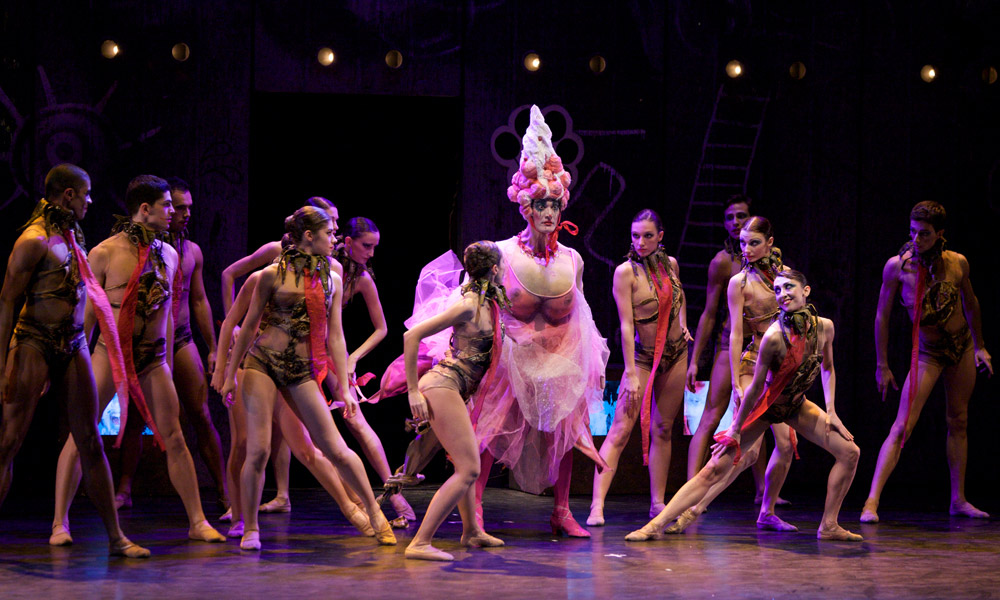
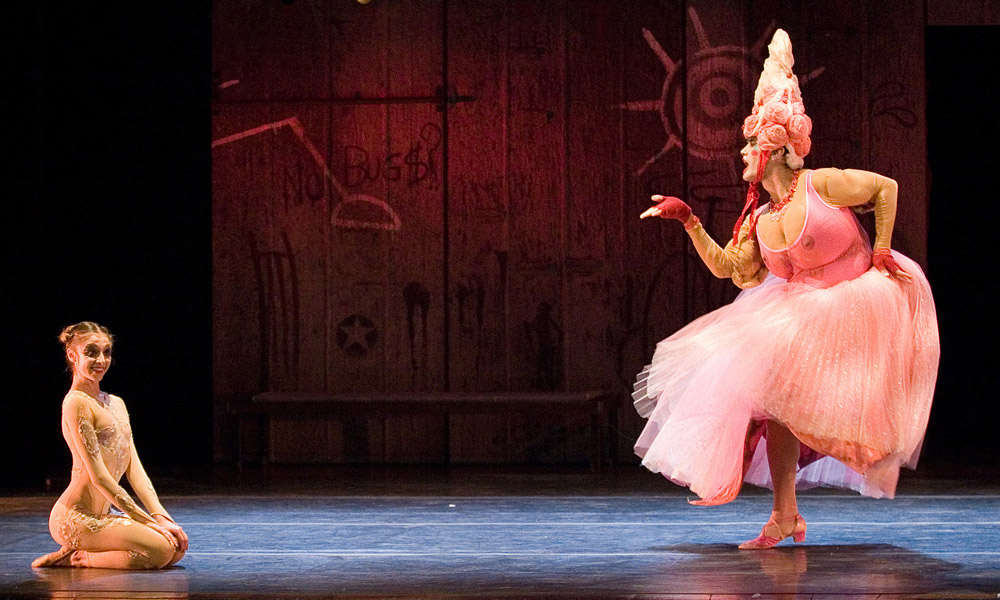
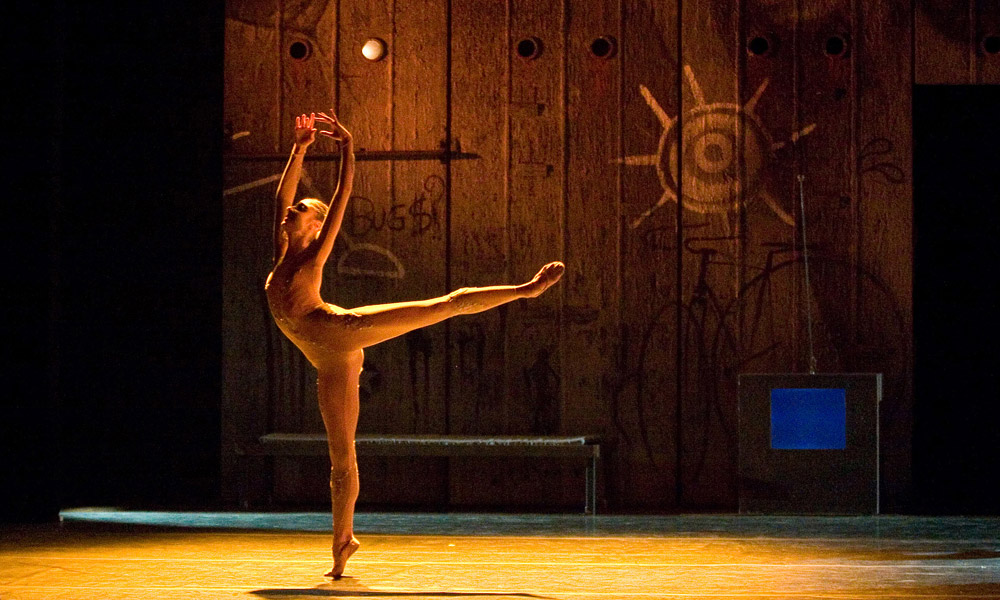
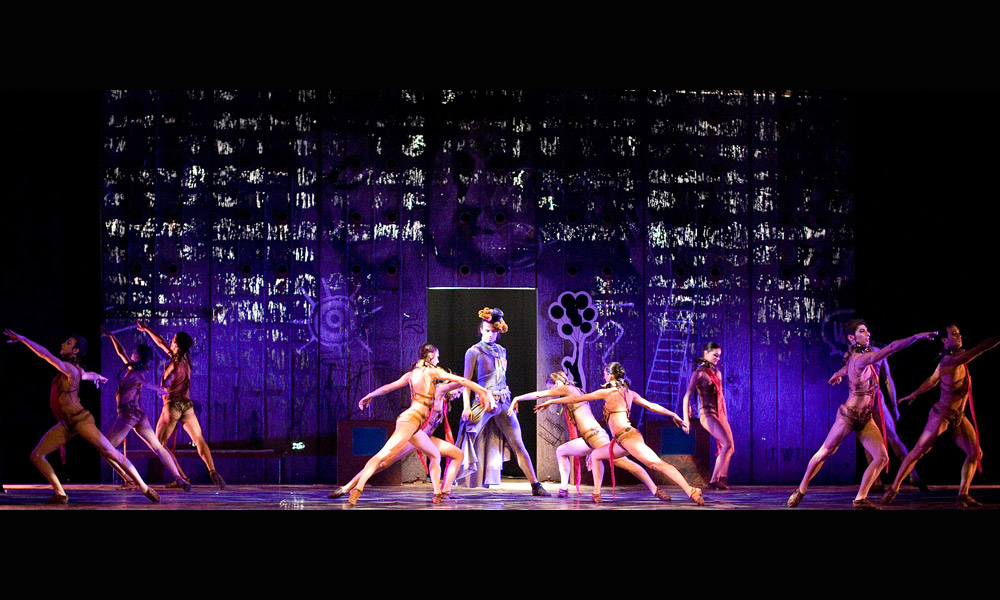
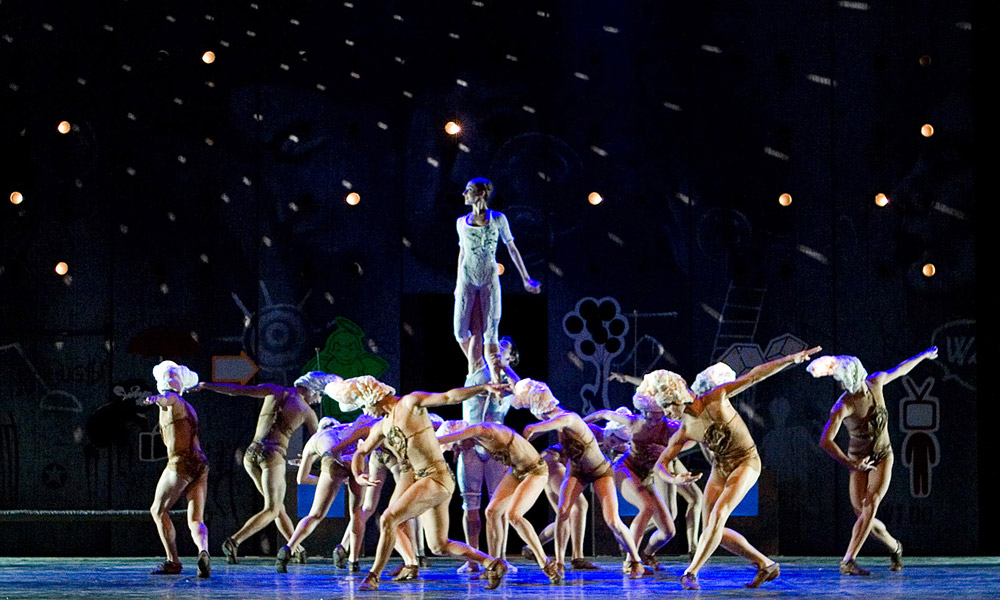
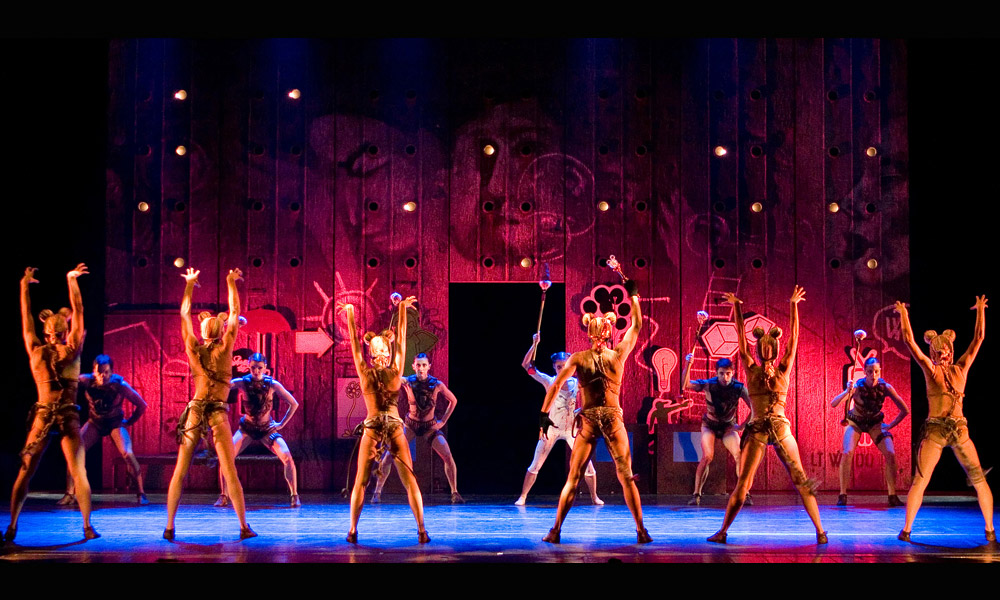
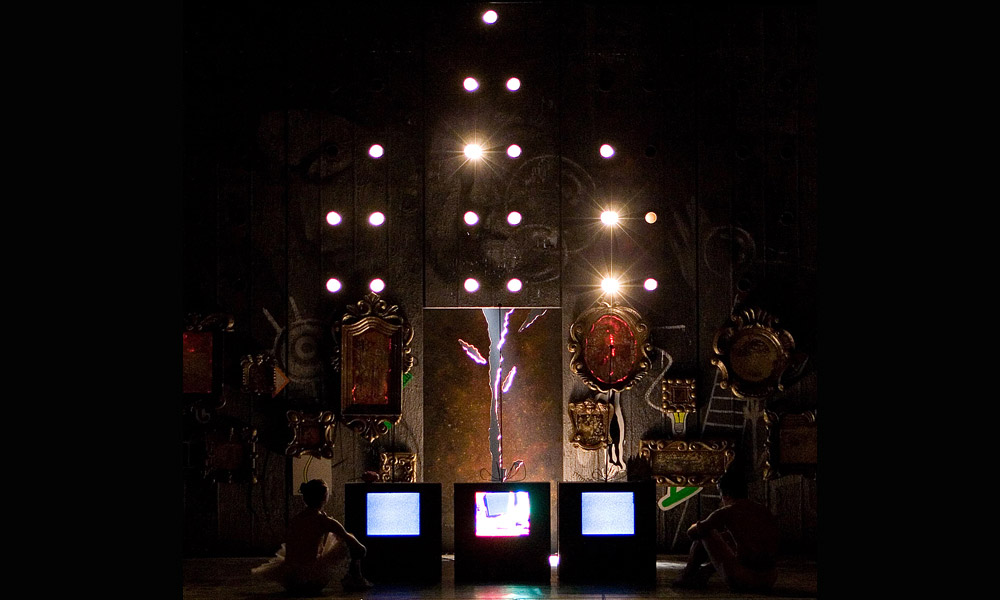
With Andrè De La Roche
in the role of Fata Confetto / Schiaccianoci
Direction and choreography
Mario Piazza
Music
Pëtr Il’ic Cajkovskij
New version and dramatic development
Riccardo Reim
Maître de ballet / coreography assistant
Ludovic Party
Scenes and costumes
Giuseppina Maurizi
Lighting designer
Emanuele De Maria
Video by
Tiziana Amicuzi, Emanuela Bonella, Raffaella Bonsignore, Layla Shukor
Costumes made by
Sartoria Farani di Roma
Scenes made by
Europa Scene s.r.l.